-
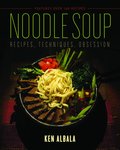
Noodle Soup: Recipes, Techniques, Obsession
Ken Albala
Every day, noodle shops around the globe ladle out quick meals that fuel our go-go lives. But Ken Albala has a mission: to get YOU in the kitchen making noodle soup.
This primer offers the recipes and techniques for mastering quick-slurper staples and luxurious from-scratch feasts. Albala made a different noodle soup every day for two years. His obsession yielded all you need to know about making stock bases, using dried or fresh noodles, and choosing from a huge variety of garnishes, flavorings, and accompaniments. He lays out innovative techniques for mixing and matching bases and noodles with grains, vegetables, and other ingredients drawn from an international array of cuisines. In addition to recipes both cutting edge and classic, Albala describes new soup discoveries he created along the way. There's advice on utensils, cooking tools, and the oft-overlooked necessity of matching a soup to the proper bowl. Finally, he sprinkles in charming historical details that cover everything from ancient Chinese millet noodles to that off-brand Malaysian ramen at the back of the ethnic grocery store.
Filled with more than seventy color photos and dozens of recipes, Noodle Soup is an indispensable guide for cooking, eating, and loving a universal favorite.
-
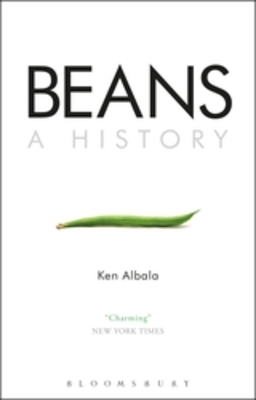
Beans: A History
Ken Albala
This is the story of the bean, the staple food cultivated by humans for over 10,000 years.
From the lentil to the soybean, every civilization on the planet has cultivated its own species of bean. The humble bean has always attracted attention - from Pythagoras' notion that the bean hosted a human soul to St. Jerome's indictment against bean-eating in convents (because they "tickle the genitals"), to current research into the deadly toxins contained in the most commonly eaten beans.
Over time, the bean has been both scorned as "poor man's meat" and praised as health-giving, even patriotic. Attitudes to this most basic of foodstuffs have always revealed a great deal about a society. Featuring a new preface from author Ken Albala, Beans: A History takes the reader on a fascinating journey across cuisines and cultures.
-
At the Table: Food and Family Around the World
Ken Albala
What's for dinner? Not just in America, but around the world? And how is it cooked, what's the historical significance of that food, how is it served and consumed, and who gets to clean up? This book provides fascinating insight into how dinner is defined in countries around the world.
Almost universally, "dinner" is a key meal in most countries around the world, whether it be a simple dish of rice and beans, a slice of pizza on the go, or a multi-course formal meal. What do the specifics of how a meal is eaten—by hand instead of with utensils, for example—say about a specific culture? This fascinating one-volume reference guide examines all aspects of dinner in international settings, enabling insightful cross-cultural comparisons and an understanding of the effects of modernization and globalization on food habits.
Some 50 countries are covered in chapters focusing on present-day meal habits in Europe, Asia, the Middle East, Africa, and North and South America. The commentary covers everything about the meal, such as the time, the cooking and preparation, shopping for ingredients, the clean-up process, gender-based participation roles, conversation or other social interactions, and etiquette—just about everything that happens at the table. The book is ideal for classroom teaching and learning, as the entries and photos are conducive to teaching students about other cultures, directly supporting the National Geography Standards. Students will be able to make informed comparisons between their own lives and the various cultural experiences described in the book.
-
Sage Encyclopedia of Food Issues
Ken Albala
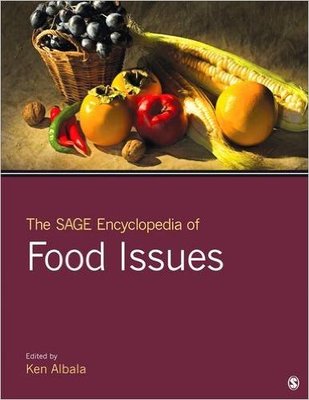
The SAGE Encyclopedia of Food Issues explores the topic of food across multiple disciplines within the social sciences and related areas including business, consumerism, marketing, and environmentalism. In contrast to the existing reference works on the topic of food that tend to fall into the categories of cultural perspectives, this carefully balanced academic encyclopedia focuses on social and policy aspects of food production, safety, regulation, labeling, marketing, distribution, and consumption. A sampling of general topic areas covered includes Agriculture, Labor, Food Processing, Marketing and Advertising, Trade and Distribution, Retail and Shopping, Consumption, Food Ideologies, Food in Popular Media, Food Safety, Environment, Health, Government Policy, and Hunger and Poverty. This encyclopedia introduces students to the fascinating, and at times contentious, and ever-so-vital field involving food issues.
-
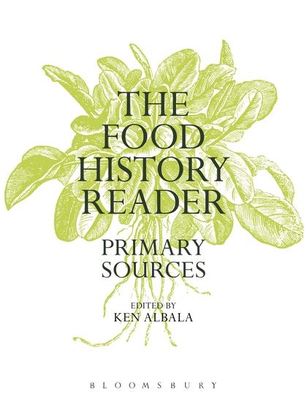
Food History: A Primary Source Reader
Ken Albala
With the proliferation of food history courses and avid interest among scholars and the general public, the need for a solid comprehensive collection of key primary texts about food of the past is urgent.
This collection spans the globe from classical antiquity to the present, offering substantive selections from cookbooks, fiction, gastronomic and dietary treatises and a wide range of food writing. Offering a solid introduction to each period with extensive commentary and suggestions for interpretive strategies, this reader provides extracts undigested, for the student who needs immediate and direct contact with the ideas of the past.
Readings illustrate the various ways religion, politics, social structure, health and agricultural policy shaped what people ate in the past and offer instructive ways to think about our own food systems and how they have been shaped by historical forces.
-
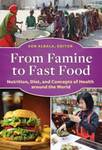
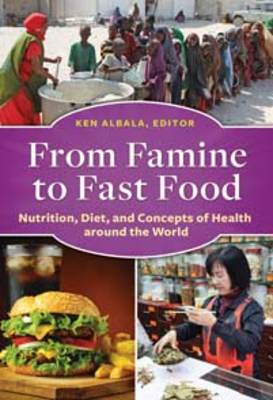
From Famine to Fast Food: Nutrition, Diet and Concepts of Health Around the World
Ken Albala
The foods eaten by a nation's population play a key role in shaping the health of that society. This book presents country-specific information on how diet, food security, and concepts of health critically impact the well-being of the world's population.
A country's food culture and eating habits directly impact the health and well-being of its citizens. Economic factors contribute to problems such as obesity and malnourishment. This book examines how diet affects health in countries around the world, discussing how the availability of food and the types of foods eaten influence numerous health factors and are tied to the prevalence of "lifestyle" diseases. Readers will discover the importance of diet and food culture in determining human health as well as make connections and notice larger trends within multicultural, international contexts.
An ideal aid for high school and college students in completing research and writing assignments, this book supplies detailed diet- and health-related information about most major countries and regions in a single source. Each country profile will also include a convenient fact box with statistical information such as life expectancy, average caloric intake, and other health indicators.
-
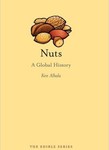
Nuts: A Global History
Ken Albala
From almonds and pecans to pistachios, cashews, and macadamias, nuts are as basic as food gets—just pop them out of the shell and into your mouth. The original health food, the vitamin-packed nut is now used industrially, in confectionary, and in all sorts of cooking. The first book to tell the full story of how nuts came to be in almost everything, Nuts takes readers on a gastronomic, botanical, and cultural tour of the world.
Tracking these fruits and seeds through cultivation, harvesting, processing, and consumption—or non-consumption, in the case of those with nut allergies—award-winning food writer Ken Albala provides a fascinating account on how they have been cooked, prepared, and exploited. He reveals the social and cultural meaning of nuts during various periods in history, while also immersing us in their modern uses. Packing scrumptious recipes, surprising facts, and fascinating nuggets inside its hardcover shell, this entertaining and informative book will delight lovers of almonds, hazelnuts, chestnuts, and more.
Printing is not supported at the primary Gallery Thumbnail page. Please first navigate to a specific Image before printing.