


Course Name
Clinical Improvement Project II CAPSTONE
Graduation Year
8-2026
Faculty Advisor
Jennifer Tudor
Abstract
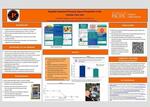
Background: Hospital-acquired pressure injuries (HAPIs) remain a significant source of preventable patient harm despite established prevention protocols. In the Cardiac Care Unit (CCU) at Sutter Medical Center Sacramento, inconsistent patient education and limited patient engagement were identified as potential contributors to ongoing HAPI occurrence. This quality improvement (QI) project evaluated whether implementing structured, individualized patient education could strengthen existing pressure injury prevention efforts.
Methods: A seven-week QI project was conducted in the CCU using the Plan-Do-Study-Act (PDSA) framework. The intervention consisted of nurse-led, individualized pressure injury prevention (PIP) education supported by a standardized patient handout tailored to each patient's risk factors. Education was provided to all adult CCU patients, reinforced throughout hospitalization, documented in the electronic health record (EHR), and supported through staff communication and QI team rounding. The primary outcome measure was average monthly HAPI occurrence, while the primary process measure was compliance with documentation of individualized education and bedside handout placement.
Results: Thirty patient audits were completed during the implementation period. Overall compliance with the education and handout workflow was 10%. One HAPI occurred during the seven-week implementation period. Average monthly HAPI occurrence decreased from 0.83 during the 2025 baseline period to an estimated 0.62 during implementation, representing a 25.3% reduction. Although the outcome objective was achieved, the process objective of 90% compliance was not met.
Conclusions: Individualized patient education was feasible to implement within the CCU but was not consistently integrated into routine nursing practice. While HAPI occurrence decreased during the implementation period, low intervention fidelity prevented attribution of the improvement to the educational intervention. Future efforts should strengthen implementation strategies through leadership support, unit champions, standardized documentation, and ongoing reinforcement to improve sustainability and evaluate long-term effectiveness.
Keywords
Hospital-acquired pressure injuries (HAPIs) Pressure injury prevention (PIP) Quality improvement Patient education Patient engagement Cardiac care unit (CCU) Plan-Do-Study-Act (PDSA) Braden Scale Nursing education Implementation fidelity
Recommended Citation
Lucido, Angelina; Roderick, Amy; and Link, Karly, "Hospital-Acquired Pressure Injury Prevention in the Sutter Sacramento Cardiac Care Unit QI Proposal" (2026). ELMSN E-Portfolio. A collection of Scholarly and Creative Works. 44.
https://scholarlycommons.pacific.edu/nursing-portfolios/44
